Liquid-Like 3D Shapes: A Modern Design Trend
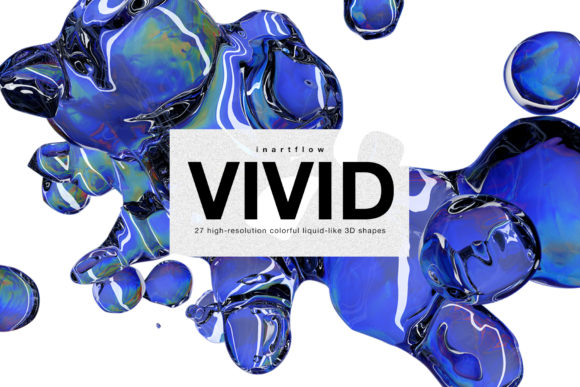
In the ever-evolving world of graphic design, staying ahead of trends is essential. One such trend that has gained significant traction is the use of liquid-like 3D shapes. These dynamic and visually striking elements are now available in a set called VIVID, which includes 27 vibrant 3D shapes designed to bring a fresh, modern aesthetic to any project.
The concept of liquid-like 3D shapes involves creating digital representations that mimic the fluidity and movement of liquids. This style is particularly appealing for designers looking to create eye-catching visuals that stand out in both print and web environments. The VIVID set offers a comprehensive collection of these shapes, making it a valuable resource for professionals and enthusiasts alike.
Why Liquid-Like 3D Shapes Matter
Designers often seek tools that allow them to express creativity while maintaining high-quality output. Liquid-like 3D shapes provide a unique way to add depth, motion, and visual interest to designs. They can be used to create abstract backgrounds, enhance product presentations, or serve as focal points in marketing materials.
One of the primary reasons someone might be interested in liquid-like 3D shapes is their ability to convey a sense of movement and energy. Unlike static shapes, these designs can evoke emotions and tell stories through their form and flow. This makes them particularly effective in advertising, editorial design, and digital art.
Benefits of Using Liquid-Like 3D Shapes
The VIVID set offers several advantages that make it a compelling choice for designers. First, the high-resolution files (5000x6200 px at 300 dpi) ensure that the shapes maintain clarity and detail when used in both print and digital formats. This level of quality is crucial for projects that require professional-grade results.
Another benefit is the versatility of the shapes. Whether used individually or combined into complex compositions, they can adapt to various design needs. This flexibility allows designers to experiment with different layouts and styles without the need for additional resources.
The set also includes 27 distinct shapes, providing a wide range of options for creative exploration. Each shape is designed with vibrant colors and intricate details, ensuring that they can complement a variety of themes and color schemes.
Considerations and Tradeoffs
While liquid-like 3D shapes offer many benefits, there are also factors to consider before incorporating them into a design project. One potential tradeoff is the learning curve associated with using these shapes effectively. Designers may need to spend time understanding how to manipulate and integrate them into their workflow.
Additionally, the file size of the images (in PNG and JPEG formats) could be a consideration for some users. High-resolution files can take up more storage space and may require more powerful hardware for editing. However, this is a common challenge with high-quality design assets and is generally manageable with proper tools.
It's also important to note that not every design project will benefit from the use of liquid-like 3D shapes. In cases where simplicity or minimalism is preferred, these shapes may appear too complex or overwhelming. Designers should evaluate whether the style aligns with the overall vision of their project.
Situations Where Liquid-Like 3D Shapes Excel
Liquid-like 3D shapes are particularly well-suited for projects that aim to capture attention and convey innovation. For example, in the tech industry, these shapes can be used to illustrate concepts related to fluid dynamics, digital transformation, or interactive experiences. Their modern appearance makes them ideal for branding campaigns targeting younger, tech-savvy audiences.
In the fashion and lifestyle sectors, these shapes can add a touch of creativity to advertisements, social media content, or packaging designs. Their vibrant colors and dynamic forms can help brands stand out in competitive markets and create a memorable visual identity.
For web designers, the high-resolution nature of the VIVID set ensures that the shapes look sharp on all screen sizes. This is especially important for responsive design, where clarity and consistency across devices are critical.
When Alternatives Might Be Better
There are scenarios where alternative design elements may be more appropriate. For instance, if a project requires a clean, minimalist aesthetic, the complexity of liquid-like 3D shapes could detract from the intended message. In such cases, simpler geometric shapes or flat design elements may be more effective.
Additionally, for projects with tight deadlines or limited resources, the time required to work with these shapes might not be justified. Designers should assess their workflow and project requirements to determine whether the investment in time and effort is worthwhile.
It's also worth considering the target audience. If the audience prefers traditional or classic design styles, the futuristic look of liquid-like 3D shapes may not resonate as strongly. In these instances, exploring other design trends could yield better results.
Decision-Making Insights
When deciding whether to use liquid-like 3D shapes, designers should start by defining the goals of their project. Are they aiming to create a bold, attention-grabbing design? Or do they need a subtle, cohesive visual language? Understanding the purpose of the design will help determine the suitability of these shapes.
Another key factor is the designer's experience and comfort level with 3D elements. Those who are familiar with design software and have a strong grasp of composition may find it easier to incorporate these shapes effectively. For newcomers, taking the time to learn about the tools and techniques involved can lead to better outcomes.
Finally, testing the shapes in different contexts can provide valuable insights. Experimenting with various layouts, color combinations, and placements can help identify the most effective ways to use the VIVID set. This iterative process can lead to more refined and impactful designs.
In conclusion, liquid-like 3D shapes offer a unique and powerful tool for modern design. With the VIVID set, designers have access to a high-quality, versatile collection that can elevate their work and meet the demands of contemporary visual communication. By carefully evaluating their needs and considering the strengths and limitations of these shapes, designers can make informed decisions that align with their creative goals.