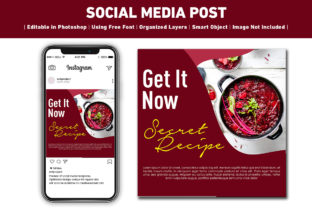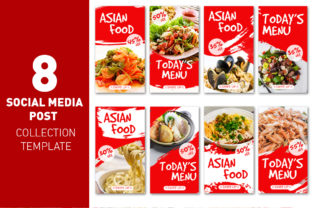
Asian Food History Social Media Culinary
Asian food history is a rich tapestry of flavors, traditions, and cultural stories that have been passed down through generations. In today's digital age, social media has become a powerful tool for sharing and preserving this heritage. The Asian Food History Social Media Culinary concept blends the past with the present, offering a unique way to engage audiences through visually appealing content and educational storytelling.
What Is Asian Food History Social Media Culinary?
The Asian Food History Social Media Culinary is a creative approach to presenting the culinary traditions of Asia on platforms like Instagram, Facebook, and TikTok. It involves using high-quality visuals, engaging narratives, and interactive elements to educate and entertain followers about the origins, evolution, and significance of various Asian cuisines.
This method not only preserves traditional recipes but also makes them accessible to a global audience. By leveraging the power of social media, individuals and businesses can share the stories behind their dishes while connecting with people who appreciate authentic food experiences.
Key Features of Asian Food History Social Media Culinary
- Visual Storytelling: High-quality images and videos bring the history of Asian food to life.
- Cultural Education: Content often includes historical facts, regional variations, and cooking techniques.
- Engagement: Interactive posts, polls, and Q&A sessions encourage audience participation.
- Accessibility: Easy-to-understand explanations make complex culinary traditions approachable for all.
Why Use Asian Food History Social Media Culinary?
The Asian Food History Social Media Culinary offers numerous benefits for both creators and consumers. For creators, it provides a platform to showcase their passion for food while building a loyal following. For consumers, it offers an opportunity to learn about different cultures through the lens of cuisine.
Businesses, in particular, can benefit from this approach by using it as a marketing strategy. By highlighting the history and authenticity of their products, they can differentiate themselves in a competitive market. This method also helps build trust and credibility with customers who value transparency and cultural respect.
Who Can Benefit From This Approach?
The Asian Food History Social Media Culinary is ideal for a wide range of users, including:
- Chefs and Home Cooks: Share recipes, techniques, and personal stories behind traditional dishes.
- Food Bloggers and Influencers: Create content that educates and entertains their audience while promoting their brand.
- Restaurants and Food Businesses: Highlight the cultural significance of their menu items to attract a diverse customer base.
- Educators and Historians: Use social media to teach about the historical and cultural importance of Asian food.
How to Implement Asian Food History Social Media Culinary
Implementing the Asian Food History Social Media Culinary requires a blend of creativity, research, and consistency. Here are some practical steps to get started:
- Research: Learn about the history and cultural context of the dishes you want to feature.
- Create Visual Content: Use high-quality photos and videos to capture the essence of each dish.
- Write Engaging Captions: Include interesting facts, personal anecdotes, and cultural insights.
- Engage With Your Audience: Respond to comments, ask questions, and encourage discussions.
Real-World Applications
Many businesses and individuals have successfully used the Asian Food History Social Media Culinary approach to connect with their audience. For example, a small restaurant might use Instagram stories to share the story behind a traditional dish, while a food blogger could create a series of posts exploring the history of sushi or dim sum.
These strategies not only increase engagement but also help build a stronger brand identity. By focusing on education and storytelling, creators can stand out in a crowded social media landscape and attract a more dedicated following.
Strengths and Limitations
The Asian Food History Social Media Culinary has several strengths, including its ability to educate, entertain, and connect people across cultures. However, there are also limitations to consider. One challenge is ensuring accuracy and cultural sensitivity when discussing food histories. Misrepresentation or oversimplification can lead to misunderstandings or offense.
Another limitation is the time and effort required to produce high-quality content consistently. While the rewards are significant, it demands dedication and a deep understanding of the subject matter.
Practical Expectations
When implementing the Asian Food History Social Media Culinary, it's important to set realistic expectations. Building a strong online presence takes time, and results may vary depending on the quality of content, engagement strategies, and audience interests. Patience and persistence are key to long-term success.
Conclusion
The Asian Food History Social Media Culinary offers a unique and valuable way to explore and share the rich culinary traditions of Asia. By combining visual storytelling with cultural education, it creates a powerful platform for both creators and consumers. Whether you're a chef, a food blogger, or a business owner, this approach can help you connect with your audience in meaningful ways.
With the right tools, such as a set of social media story templates, you can easily create stunning and informative content that showcases the beauty and diversity of Asian cuisine. By focusing on clarity, expertise, and usefulness, you can ensure that your message resonates with your audience and leaves a lasting impact.