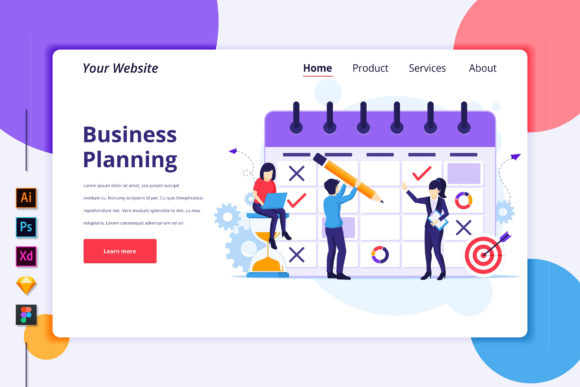
Landing Page of Business Schedule
A landing page for a business schedule is a powerful tool that helps organizations and individuals streamline their operations, manage time efficiently, and present a professional image to clients and customers. It serves as a central hub where users can view, edit, and share their schedules, making it an essential part of modern business planning. With the right design, a landing page can transform how teams collaborate and how businesses interact with their audience.
One of the most appealing aspects of a landing page for a business schedule is its ability to integrate seamlessly into various digital platforms. Whether you're designing for a website, mobile app, or social media, a well-structured landing page ensures consistency and clarity. This makes it ideal for entrepreneurs, small business owners, and creative professionals who need to maintain a strong online presence while managing their time effectively.
Why a Business Schedule Landing Page Matters
In today’s fast-paced world, time management is crucial. A business schedule landing page offers a clear overview of daily, weekly, and monthly activities, helping users stay on track and meet deadlines. It also allows for real-time updates, ensuring that everyone involved has access to the most current information. This level of transparency can improve communication, reduce errors, and boost productivity across teams.
For businesses, having a dedicated landing page for schedules can enhance customer service. Clients can easily view availability, book appointments, or check project timelines, which reduces the need for constant back-and-forth communication. This not only saves time but also improves the overall user experience, leading to higher satisfaction and loyalty.
Creative Possibilities with a Business Schedule Landing Page
The design of a business schedule landing page opens up a world of creative possibilities. From minimalist layouts to vibrant, interactive interfaces, there are countless ways to make this page engaging and functional. A flat design concept, for example, can offer a clean and modern look that aligns with current design trends. Using a giant calendar as a visual element can make the page more intuitive and visually appealing.
Designers can experiment with different color schemes, typography, and icons to create a unique identity for the landing page. For instance, a tech startup might use bold colors and dynamic animations, while a consulting firm could opt for a more subdued, professional style. The key is to balance aesthetics with usability, ensuring that the page remains easy to navigate and understand.
Applications Across Industries
The versatility of a business schedule landing page makes it suitable for a wide range of industries. In the healthcare sector, it can be used to manage patient appointments and staff schedules. For educational institutions, it can help organize class times, exams, and events. In the creative field, it can serve as a project timeline tracker for designers, writers, and developers.
Freelancers and independent contractors can benefit from a landing page that showcases their availability and past projects. This not only helps them attract new clients but also establishes credibility and professionalism. Similarly, event planners can use the page to coordinate multiple tasks, manage guest lists, and track progress toward key milestones.
Adapting the Landing Page for Different Goals
Depending on the user's needs, a business schedule landing page can be customized to suit specific goals. For example, a marketing team might focus on campaign timelines and content calendars, while a sales team could prioritize client meetings and follow-ups. By tailoring the layout and features to the intended purpose, the page becomes a more effective tool for managing time and resources.
Users can also adapt the landing page for different audiences. A B2B company might include detailed project timelines and client notes, whereas a B2C business could emphasize appointment booking and service availability. The ability to adjust the content and structure ensures that the landing page remains relevant and useful across various contexts.
Practical Tips for Designing an Effective Landing Page
Creating an effective business schedule landing page requires careful planning and attention to detail. Start by identifying the primary function of the page—whether it's for internal team use, client interaction, or public information. This will guide the design choices and determine the necessary features.
Use clear headings and subheadings to break down information into manageable sections. Incorporate visual elements like calendars, charts, and icons to make the data more digestible. Ensure that the text is concise and easy to read, avoiding unnecessary jargon or complexity. Finally, test the page on different devices to ensure it works smoothly on desktops, tablets, and smartphones.
Maximizing the Benefits of a Business Schedule Landing Page
To get the most out of a business schedule landing page, it's important to keep the content organized and up-to-date. Regularly review and update the schedule to reflect any changes in plans or priorities. This ensures that the page remains accurate and reliable for all users.
Additionally, consider adding interactive elements such as filters, search functions, or notifications to enhance the user experience. These features can help users find the information they need quickly and efficiently, reducing frustration and improving engagement. By focusing on both functionality and design, the landing page becomes a valuable asset for any business or individual.